
Magic Mirror: Building Empathy Through Augmented Reality
An award-winning experiential platform that helped healthcare providers understand the lived experience of alopecia areata
Role: Lead UX Designer
Client: Pfizer
Agency: FCB Health New York (IPG Health)
Platform: Interactive AR Mirror Experience
Audience: Dermatologists and Healthcare Professionals
2022 - 2024
Background
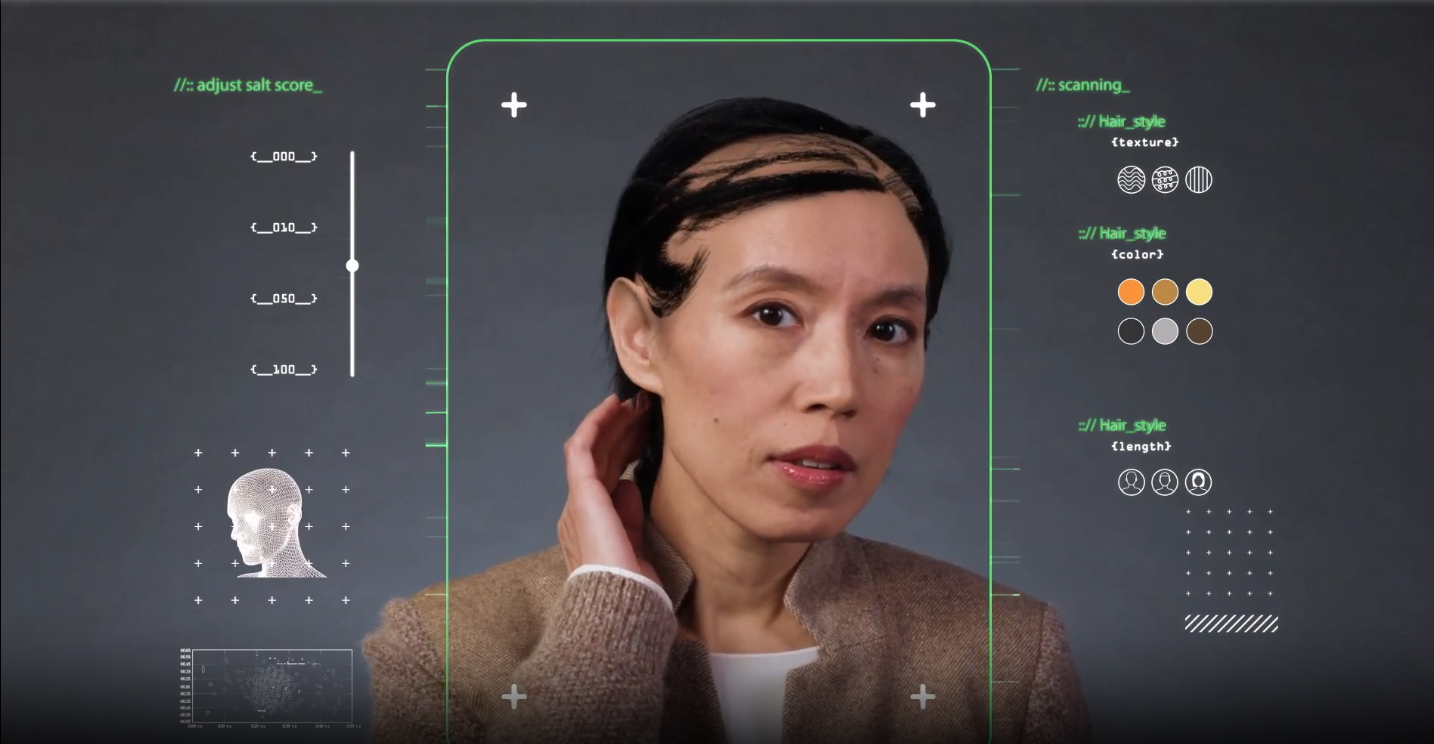
The Alopecia Mirror, also known as the "Magic Mirror," was an augmented reality experience created by FCB Health New York in partnership with Pfizer to support awareness of Litfulo, a treatment for severe alopecia areata.
The experience was designed to help healthcare providers better understand the emotional and visual impact of living with alopecia areata by allowing them to see themselves with varying degrees of scalp hair loss in real time.
After initially supporting the first version of the experience, I became the Lead UX Designer responsible for evolving the product across multiple convention deployments. My role focused on improving usability, refining educational content, and optimizing the experience for high-volume healthcare conference environments.
Understanding the Problem
Many healthcare providers understand alopecia areata clinically, but patients often describe the condition's emotional impact as being underestimated.
One challenge facing the client was helping providers move beyond viewing hair loss as a cosmetic issue and instead recognize how dramatically it can affect a patient's identity, confidence, and daily life.
The experience needed to:
Create empathy through personalization
Translate complex clinical concepts into intuitive interactions
Support education around disease severity
Function independently in busy convention settings
Encourage engagement while maintaining scientific credibility
The Solution
We designed an immersive augmented reality experience that transformed attendees into the subject of the educational story.
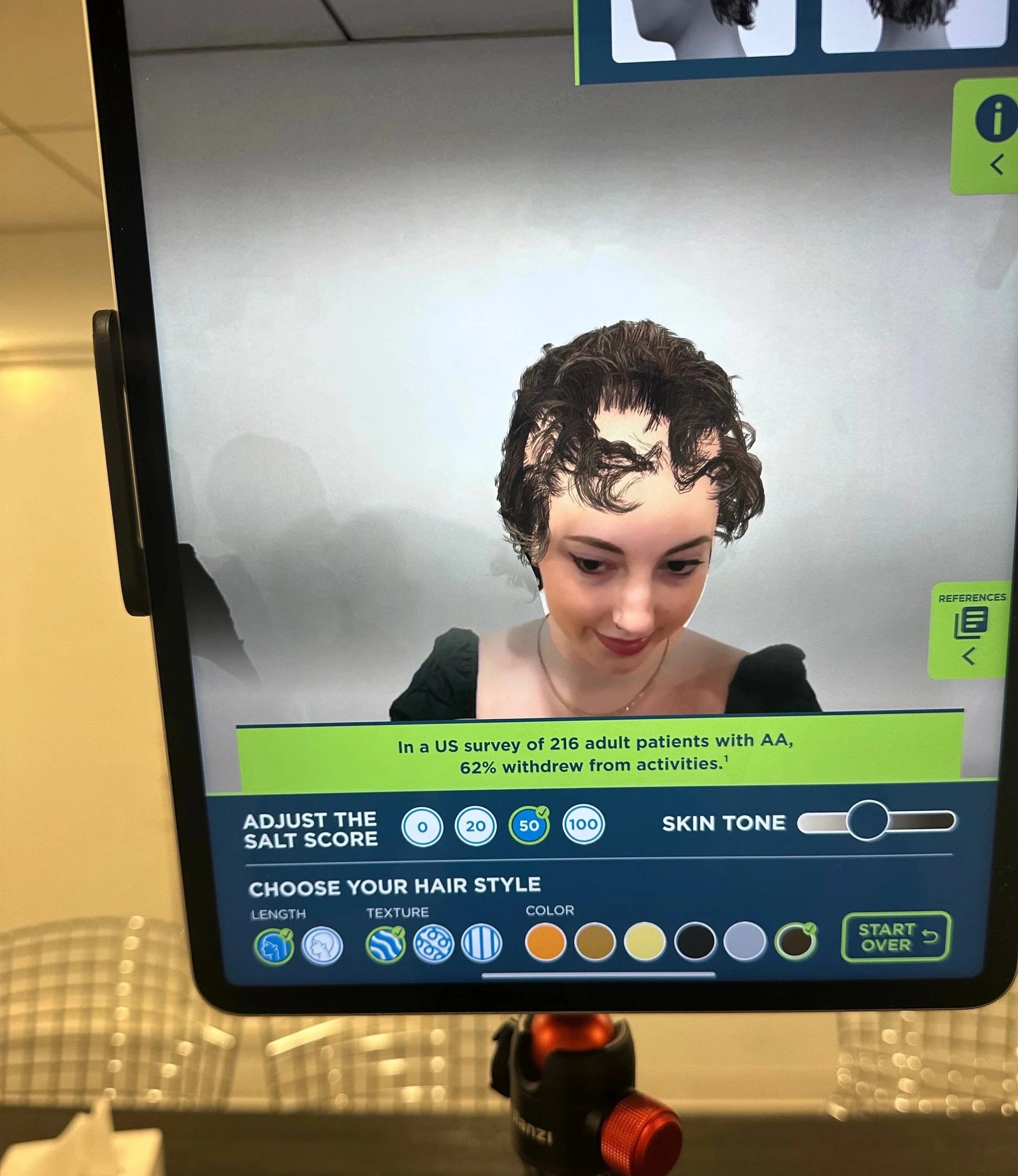
Using live image capture and advanced hair visualization technology, attendees could view a personalized simulation of themselves experiencing different stages of alopecia areata.
Instead of reading statistics or reviewing clinical imagery, providers experienced the progression of hair loss through their own reflection.
This shift from observation to participation created a more memorable and emotionally impactful learning experience.
Experience Flow
1. Guided Image Capture
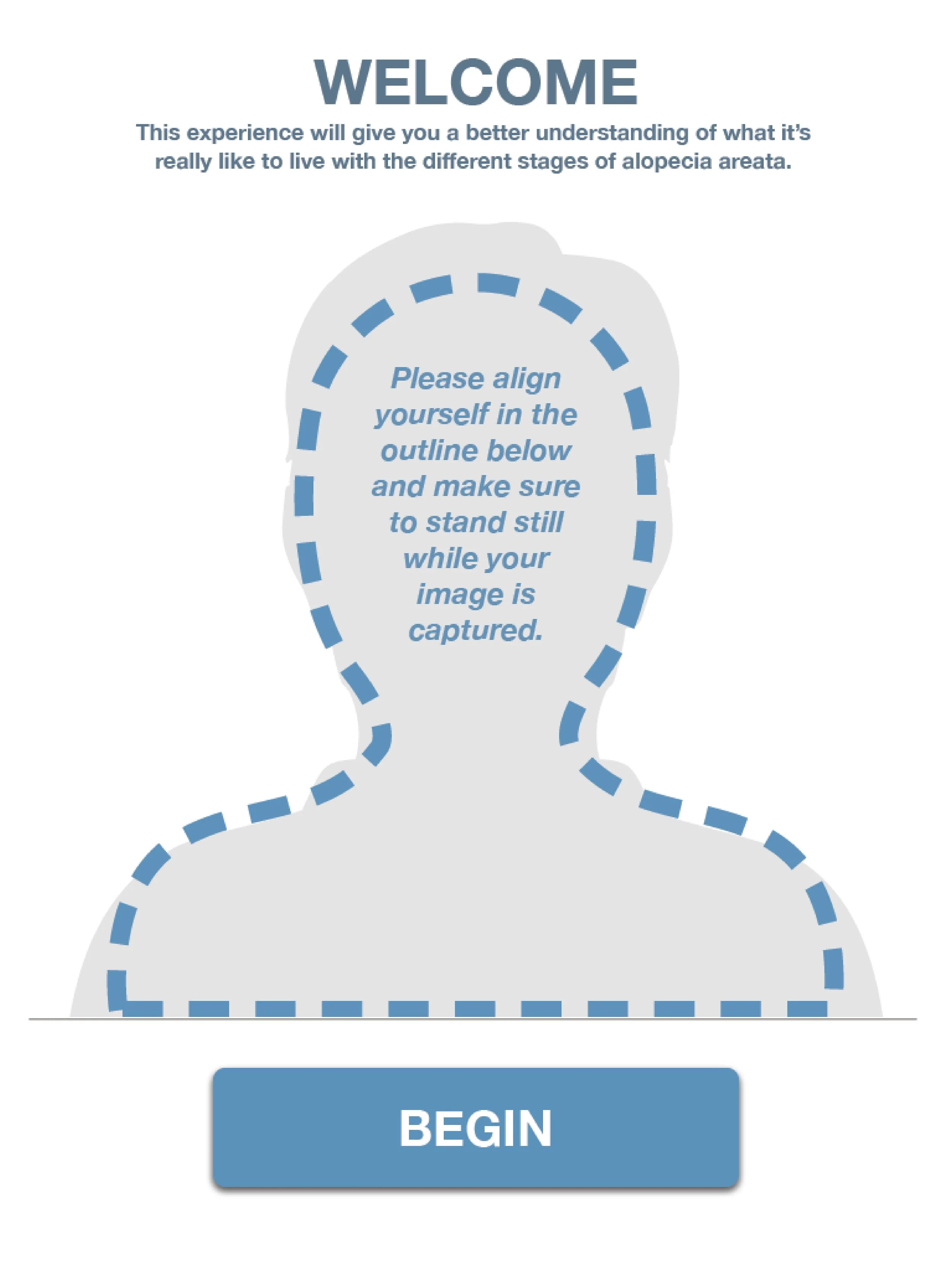
The experience begins by prompting attendees to align themselves within an on-screen silhouette.
The interface was intentionally simplified to:
Reduce onboarding friction
Eliminate the need for booth staff assistance
Provide clear visual guidance
Enable quick participation within crowded convention environments
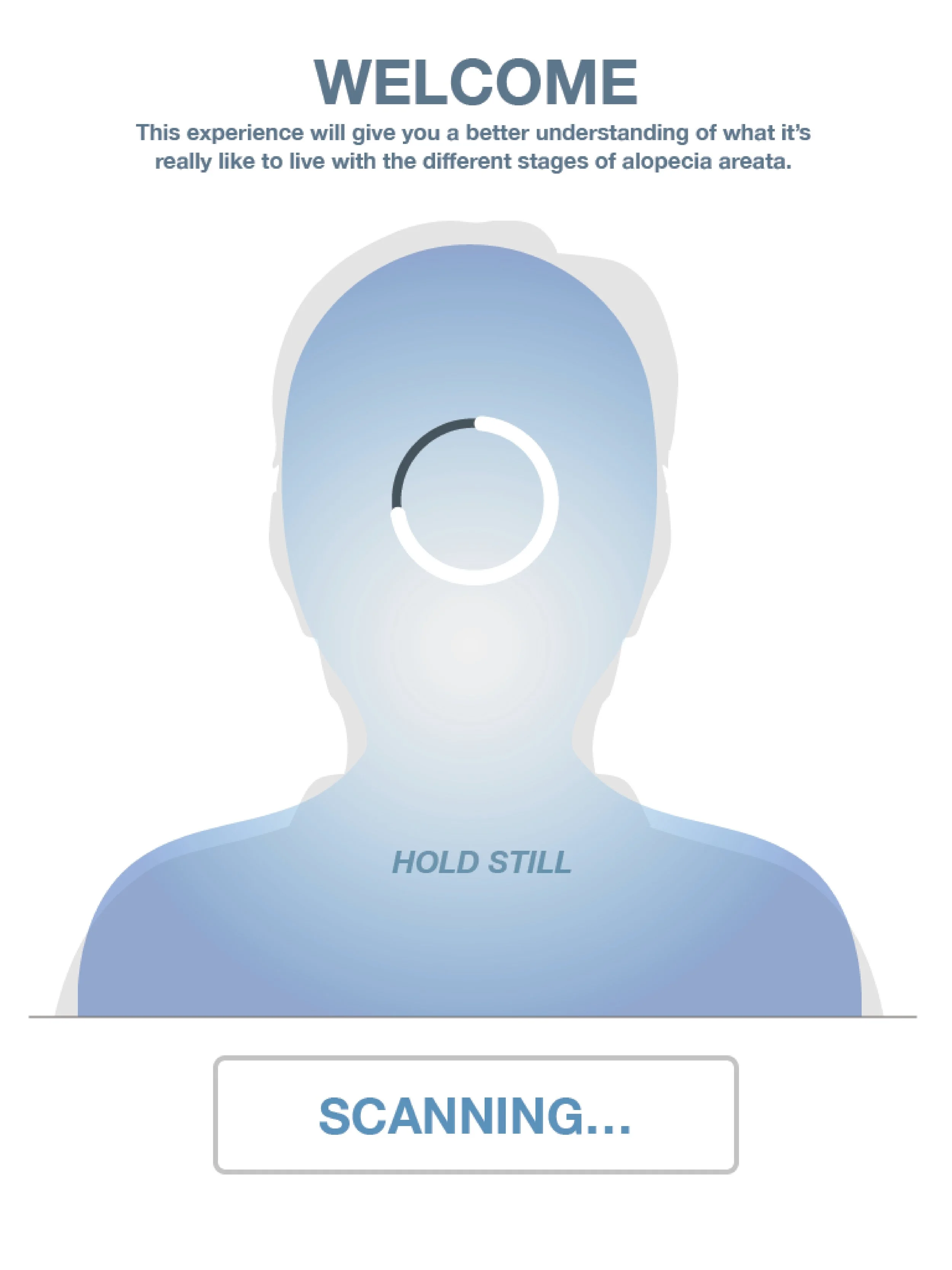
Once positioned, users entered a scanning state and received real-time feedback while their image was captured.
2. Personalized Hair Profile
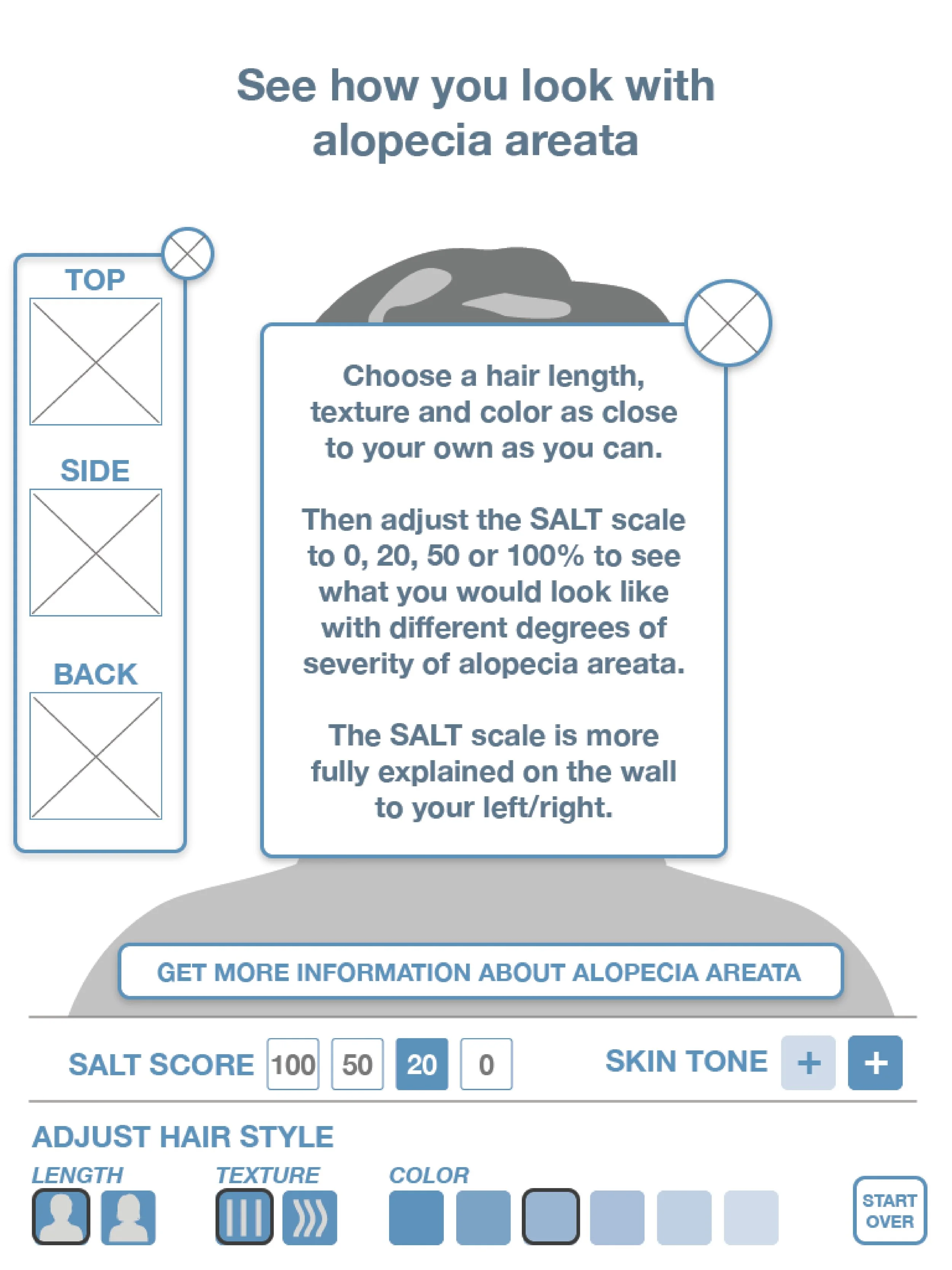
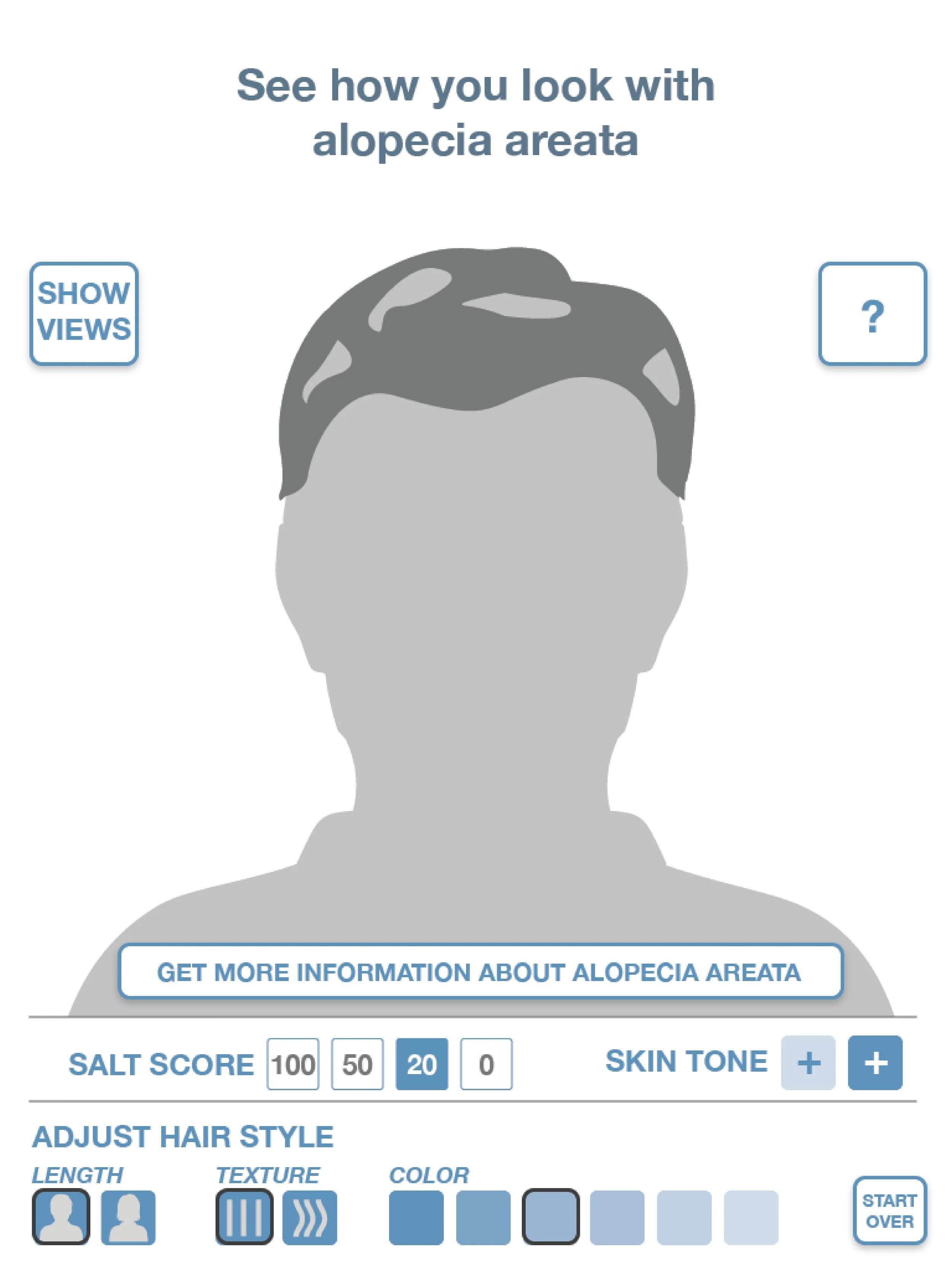
Following image capture, attendees customized their appearance by selecting characteristics that closely matched their own.
Users could adjust:
Hair length
Hair texture
Hair color
Skin tone
This personalization step increased the realism and emotional relevance of the simulation.
2. Disease Progression Visualization
The core interaction centered around the SALT (Severity of Alopecia Tool) scale.
Participants could explore different stages of hair loss severity, including:
SALT 0
SALT 20
SALT 50
SALT 100
The experience visualized changes across multiple viewing angles, including top, side, and back perspectives, helping providers understand how hair loss presents beyond what is typically visible in clinical photography.
Designing for Realism
One of the most significant UX challenges was balancing scientific accuracy with ease of use.
The underlying visualization system supported up to 128 different hair-type and hairstyle permutations, allowing users to create a representation that closely resembled their own appearance.
Because the emotional impact depended on recognition, the customization workflow became a critical part of the experience.
My work focused on ensuring these options felt intuitive and approachable despite the complexity of the underlying technology.
Iterative Improvements
Unlike a traditional software launch, Magic Mirror evolved over multiple convention deployments.
As Lead UX Designer, I continuously refined the experience based on:
Live attendee observation
Stakeholder feedback
Updated campaign objectives
New educational content requirements
Improvements included:
Streamlining onboarding flows
Simplifying instructional content
Improving discoverability of customization controls
Optimizing interaction speed for convention environments
Refining educational messaging around disease severity
Each event informed the next iteration, creating a more effective and engaging experience over time.
My Contributions
As Lead UX Designer, I:
Owned the end-to-end experience design
Defined interaction flows and screen architecture
Improved onboarding and image-capture workflows
Designed educational touchpoints around the SALT scale
Balanced emotional storytelling with scientific accuracy
Collaborated with creative, development, and client teams
Iterated the experience across multiple convention deployments
Impact
The Alopecia Mirror successfully transformed a clinical education challenge into a highly engaging and empathetic experience.
Outcomes
🏆 Received multiple industry awards
🏆 Honored at the The One Show
🎯 Helped healthcare providers better understand the lived experience of patients with alopecia areata
🔄 Successfully scaled and evolved across multiple healthcare convention activations
💡 Demonstrated how immersive technology can deepen understanding of complex healthcare conditions through personalization and empathy
My Takeaways
This project reinforced the power of experience design as a tool for healthcare education.
By combining augmented reality, personalization, and behavioral design principles, we transformed an abstract clinical measurement into an experience that healthcare providers could see, feel, and remember.
As my first project leading UX for a large-scale experiential activation, it strengthened my ability to design for physical environments, guide cross-functional teams, and continuously improve products based on real-world user behavior.