

Virtual Exam
Transforming a digital visual aid into an immersive convention experience under tight timelines and evolving requirements
Role: Lead UX Designer
Client: Pfizer
Agency: FCB Health New York (IPG Health)
Platform: XR Booth Experience
Audience: Dermatologists and Healthcare Professionals
Background
Virtual Exam was one of three immersive XR experiences developed to support the launch of Litfulo, Pfizer's first FDA-approved oral treatment for severe alopecia areata in adults and adolescents.
The experience was showcased at the American Academy of Dermatology (AAD) Conference as part of a larger booth ecosystem designed to educate healthcare professionals, increase clinical confidence, and support meaningful conversations around treatment options. The booth combined immersive technology, educational content, and personalized interactions to create a memorable learning experience for attendees.
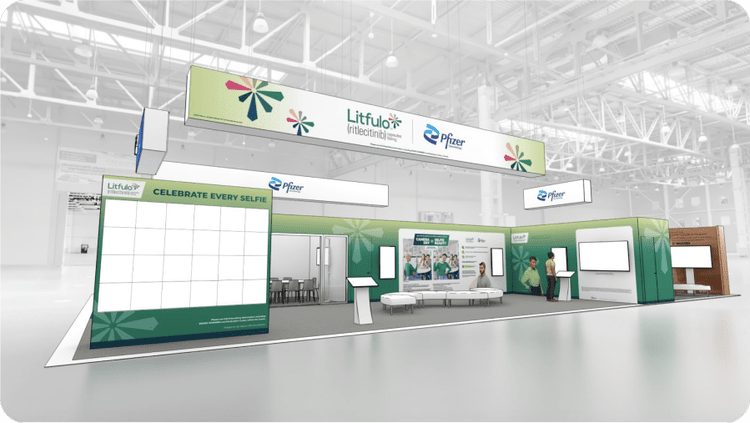
As the lead UX Designer, I was responsible for adapting an existing digital experience into an engaging convention activation while navigating aggressive timelines, evolving requirements, and competing stakeholder priorities. I collaborated closely with cross-functional teams to ensure the experience was optimized for real-world attendee engagement rather than simply replicating the original digital tool.
While the final experience was well received, one of the project's greatest challenges was aligning stakeholders around what would create the best attendee experience rather than simply implementing every requested feature.
The Challenge
The project faced several challenges from the outset.
The timeline was compressed, requirements evolved rapidly, and stakeholders were not always aligned on the overarching goals of the booth experience. UX and Experience Design were often brought into conversations after new functionality had already been proposed, with assumptions that features could simply be added without evaluating their impact on usability or engagement.
A common approach was to treat the project as a direct redesign of an existing Interactive Visual Aid (IVA) for a booth environment. However, convention experiences operate very differently from traditional digital products.
Attendees are:
Navigating crowded environments
Managing limited time and attention
Engaging without onboarding or training
Making participation decisions within seconds
Simply recreating the existing IVA would not create an effective booth experience.
The challenge became balancing business objectives, stakeholder requests, and user needs while still delivering a polished experience within an accelerated timeline.
Understanding the Opportunity
The Virtual Exam experience allowed healthcare providers to interact with a 360-degree digital patient experience designed to deepen their understanding of alopecia areata.
Through immersive exploration, attendees could:
Examine different levels of disease severity
Explore scalp hair loss from multiple perspectives
Interact with educational content in a more engaging format
Better understand how alopecia areata presents across patients
The goal was to move beyond static educational materials and create an experience that was both informative and memorable.
However, creating an effective booth activation required more than simply adding interactive functionality. Every interaction needed to support learning objectives while remaining intuitive within a fast-paced conference environment.
Design Approach
Designing for Context
One of the most important insights from this project was recognizing that successful convention experiences require different design considerations than traditional digital products.
Instead of simply transferring an existing experience into a new format, I worked to adapt interactions specifically for the realities of a live event environment.
Key considerations included:
Faster task completion
Reduced cognitive load
Clear interaction cues
Simplified navigation
Prioritized content hierarchy
Increased engagement within limited dwell time
Every screen and interaction was evaluated based on how effectively it supported attendee participation and learning.
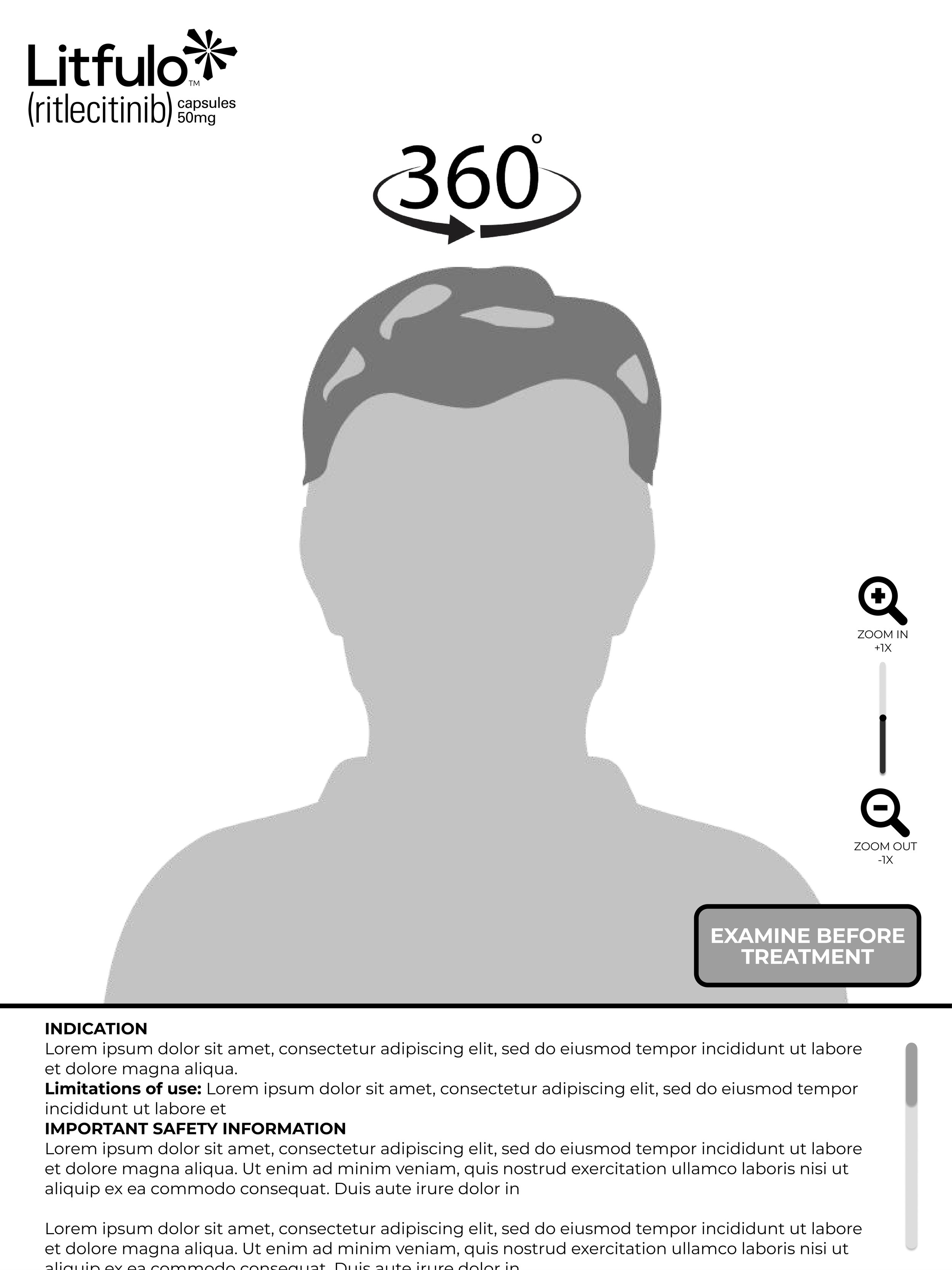
Below are the final version of the wireframes I created:
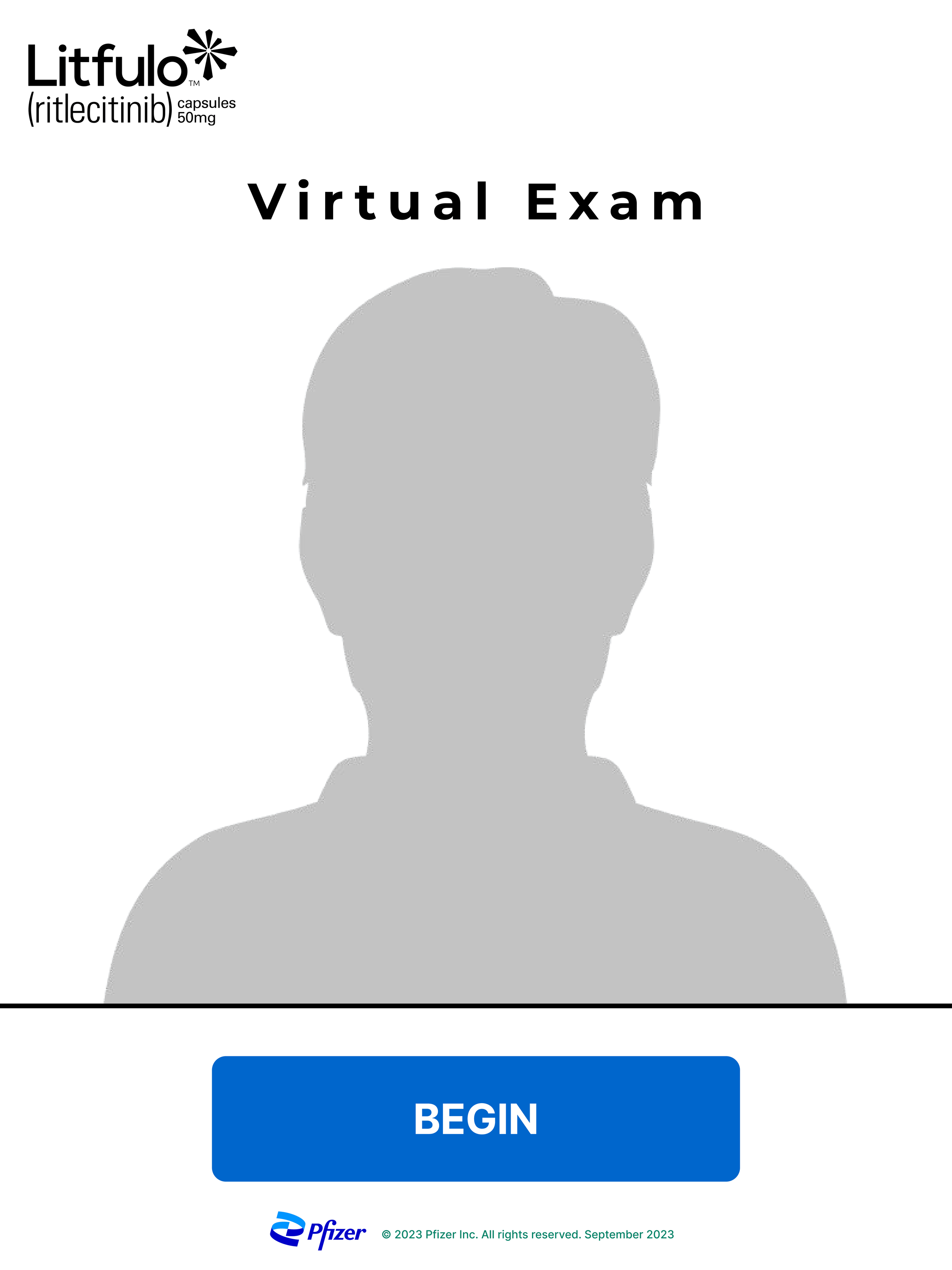
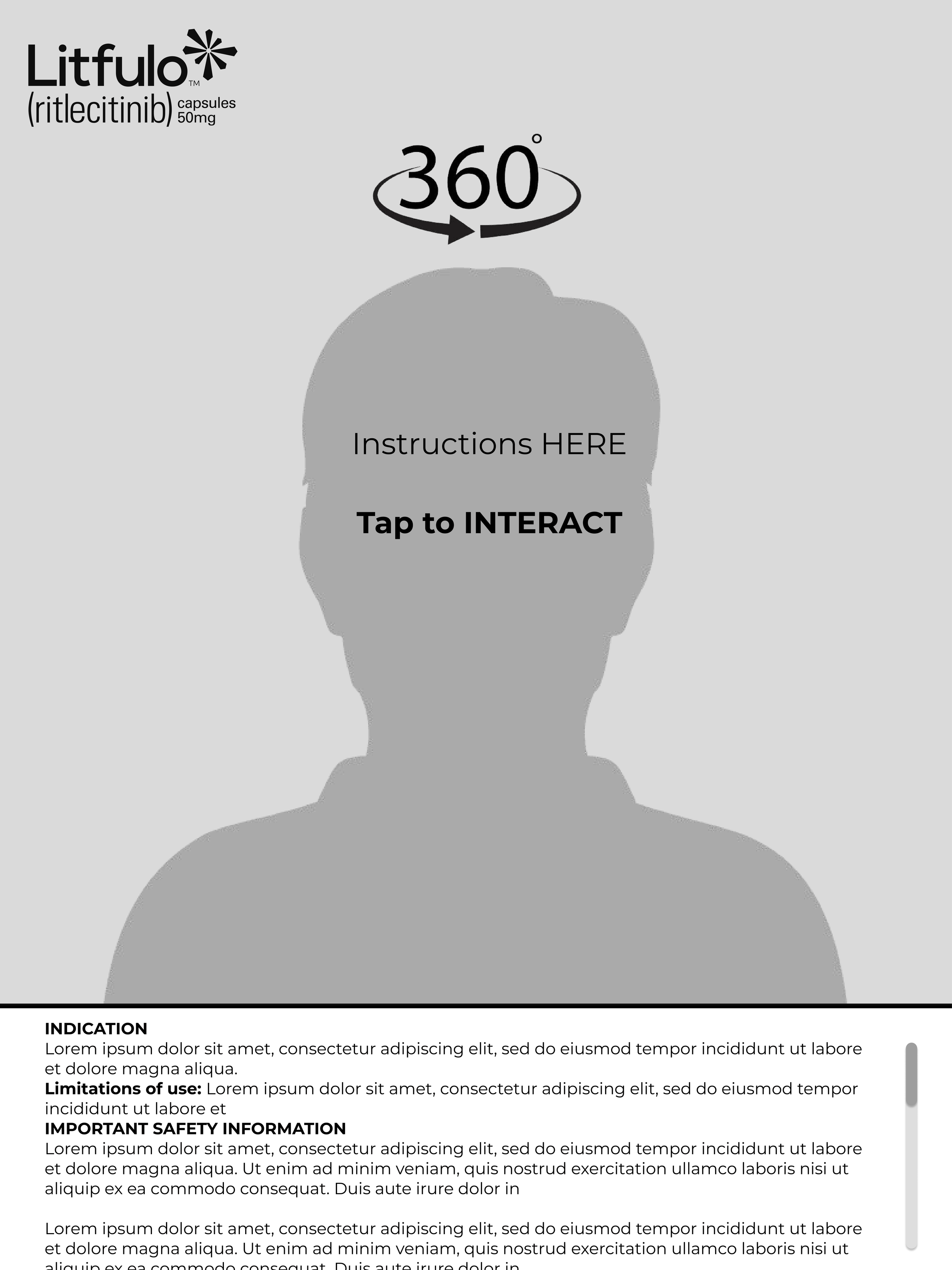
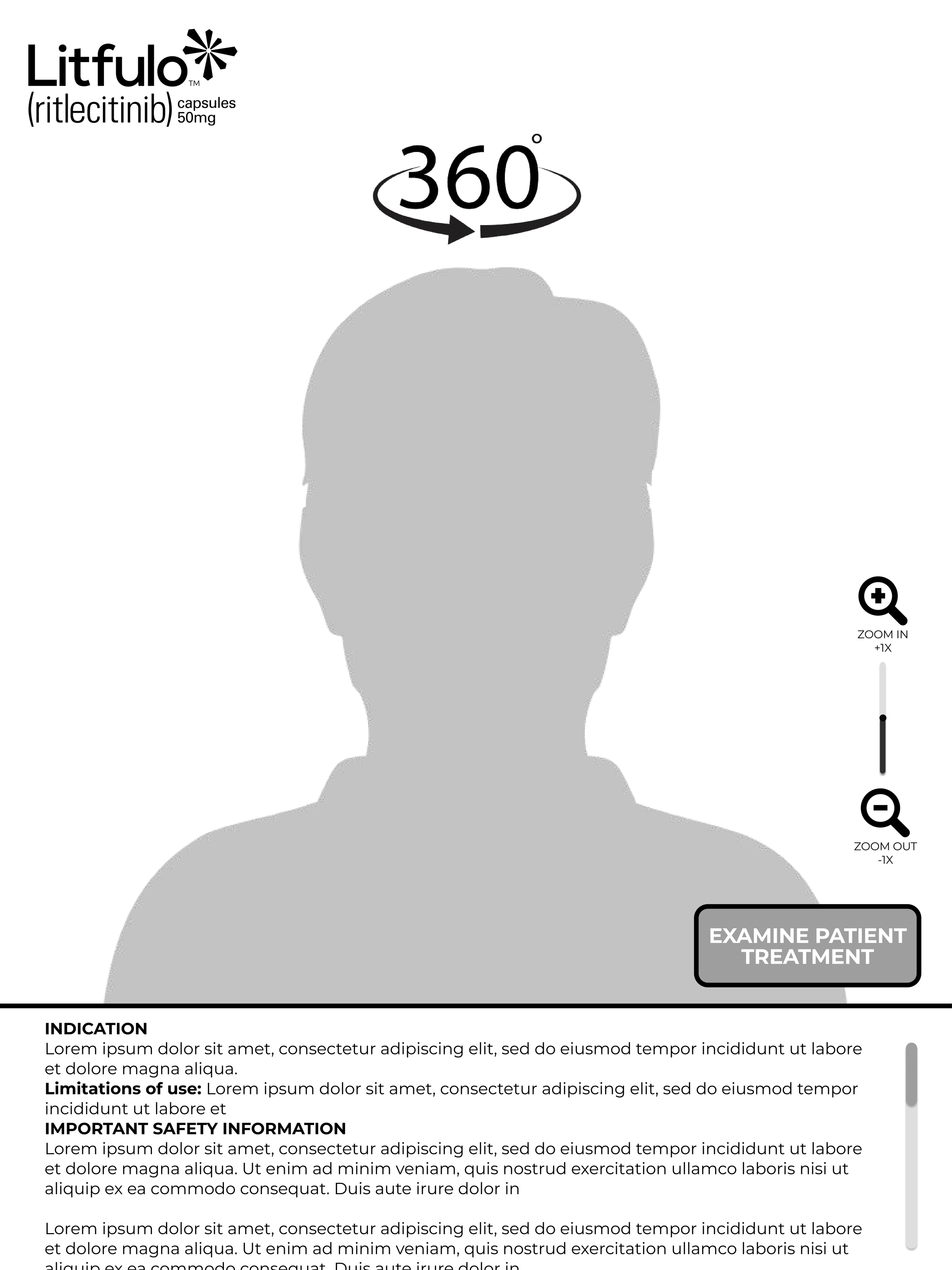
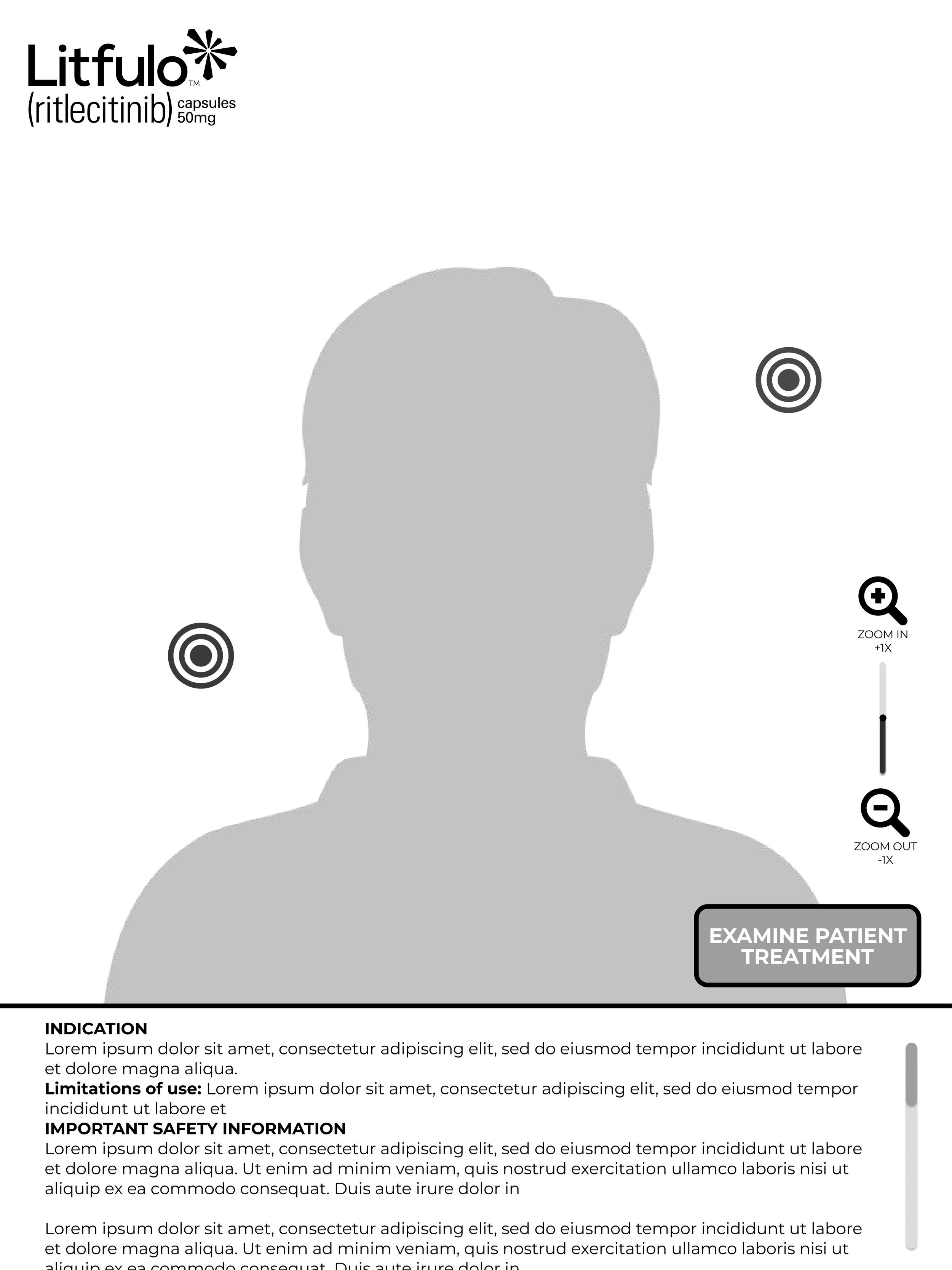
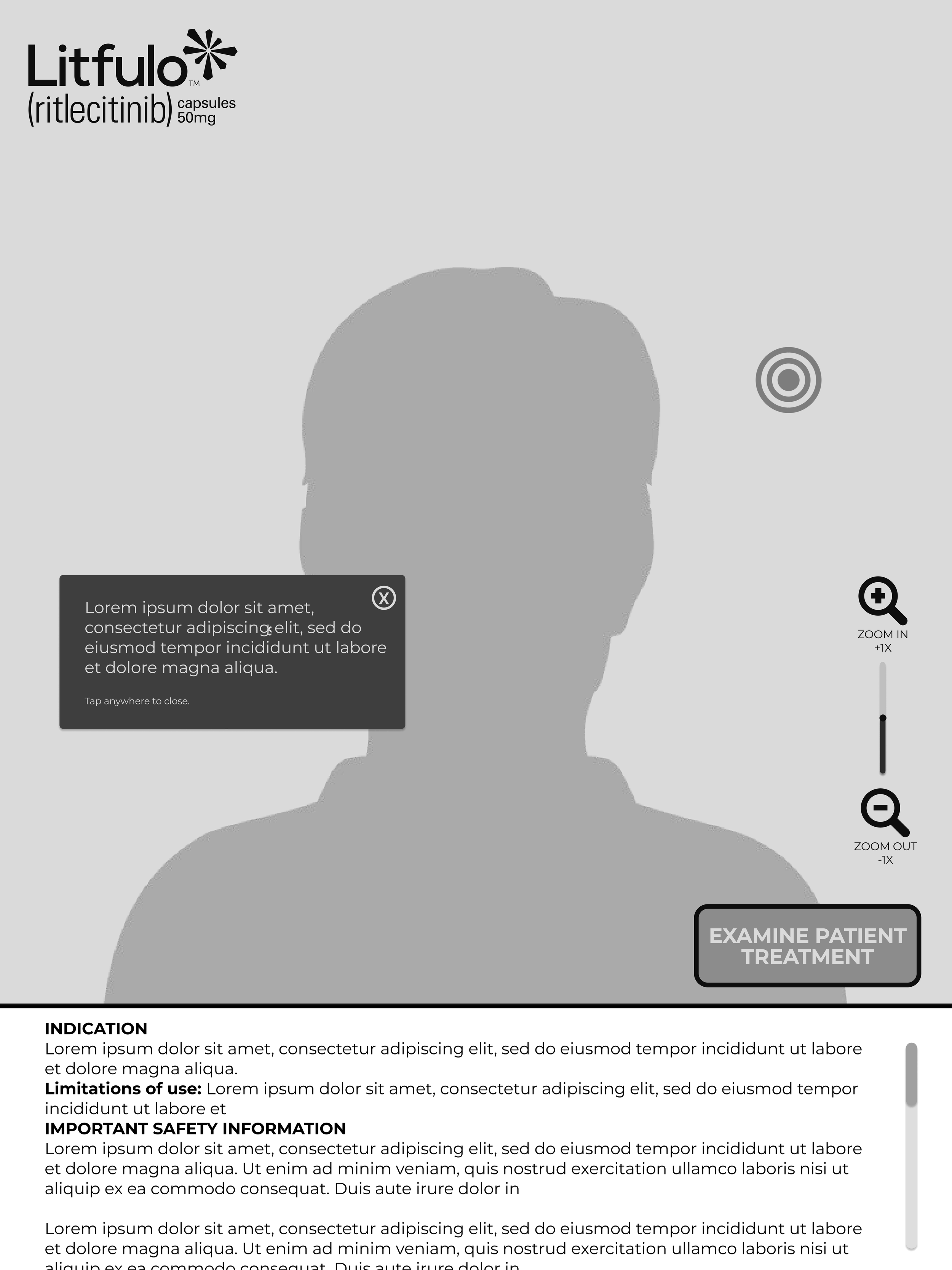
Wireframes of Virtual Exam
Managing Evolving Requirements
Due to the compressed timeline, project requirements frequently shifted throughout development.
This required balancing:
Stakeholder expectations
Technical feasibility
User needs
Business objectives
Time constraints
Rather than treating changes as obstacles, I focused on understanding the intent behind each request and identifying solutions that maintained a strong user experience while still meeting project goals.
Cross-Functional Collaboration
The project required close collaboration across multiple disciplines, including:
UX and Experience Design
Creative
Account Services
Project Management
Development Teams
Emerging Technology Specialists
Client Stakeholders
Although alignment was challenging at times, the client's openness to constructive feedback created opportunities for productive conversations around user needs and experience goals.
These discussions ultimately helped move the team beyond feature implementation and toward creating a more thoughtful and effective attendee experience.
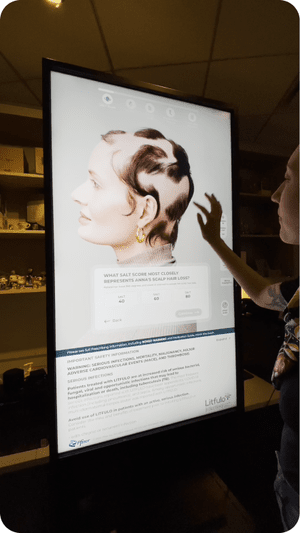
Team member conducting functionality test of prototype
Outcomes
The Virtual Exam successfully launched as part of Pfizer's immersive XR booth experience at the American Academy of Dermatology Conference.
The experience provided healthcare professionals with a more engaging way to explore and understand alopecia areata while supporting broader educational goals for the Litfulo launch.
Despite significant timeline pressures and evolving requirements, the booth experience was positively received by both stakeholders and attendees.
The project also became an opportunity to share lessons learned with the broader UX organization. Following launch, I presented my process, findings, challenges, and key takeaways during the agency's monthly UX meeting, highlighting the importance of stakeholder alignment, contextual design, and involving UX earlier in strategic conversations.
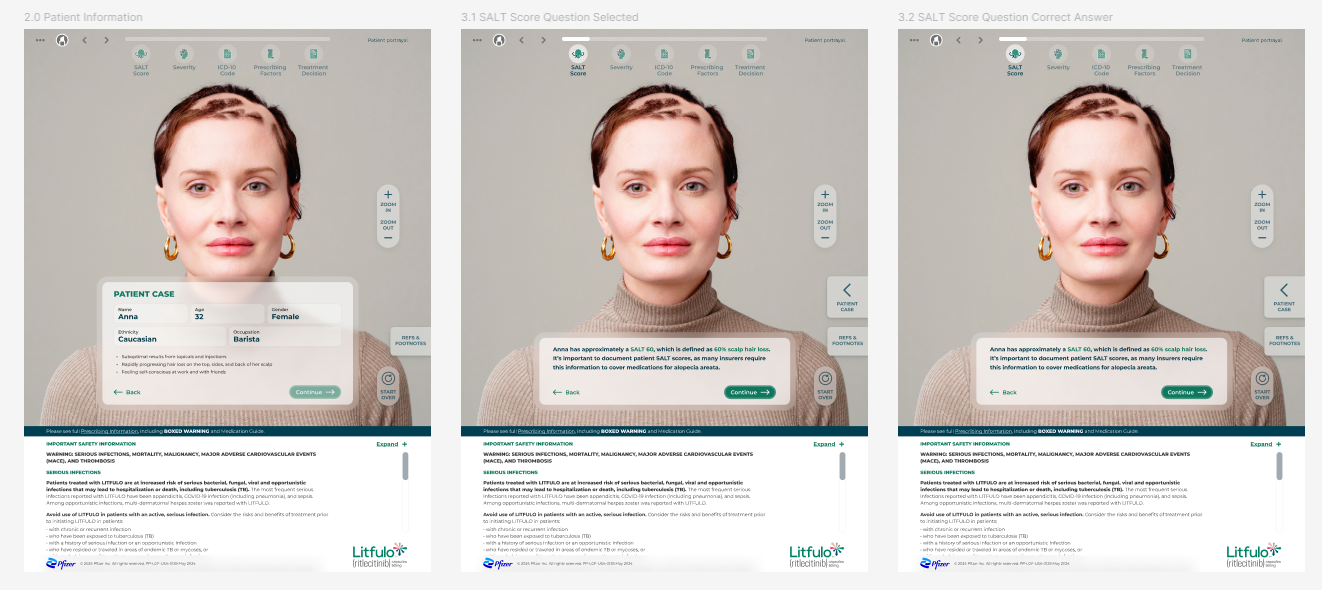
Virtual Exam final Layouts
My Takeaways
Designing for experiential environments requires shifting from feature replication to context-driven UX.
This project reinforced the importance of:
Designing for environment, not just interface
Involving UX early in strategic decisions
Balancing stakeholder input with usability principles
Simplifying aggressively for real-world attention constraints